Popular Searches:
Recommended Posts


Search Results


If you’ve ever dreamed of launching a tech blog that ranks high on Google and attracts thousands of monthly readers, then WordPress is your perfect platform. This guide will walk you through how to build a fully SEO-optimized tech blog on WordPress from setup to content strategy.

Speed and mobile responsiveness are key ranking factors.
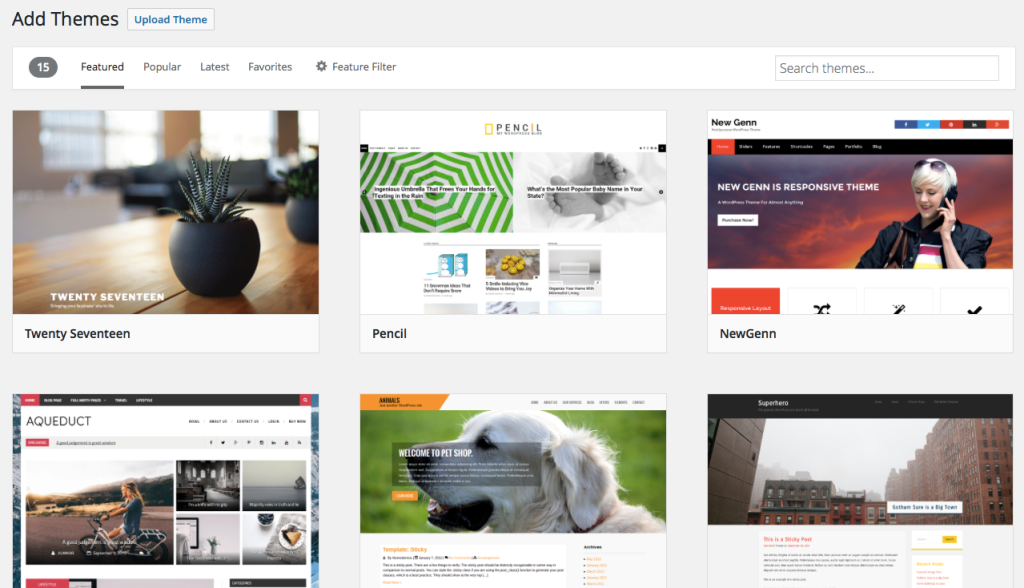
When selecting your theme, prioritize:
Lightweight frameworks like Astra, GeneratePress, or Kadence.
Mobile-friendly design (Google prefers responsive websites).
Schema markup support for rich snippets.
Integration with popular page builders like Elementor or Gutenberg.
👉 Pro Tip: Test theme speed on PageSpeed Insights before activating it.
Plugins help you optimize content, improve site speed, and manage technical SEO.
Here are must-have WordPress SEO plugins:
Yoast SEO or Rank Math – for on-page optimization.
WP Rocket or LiteSpeed Cache – for performance and caching.
Smush or ShortPixel – for image compression.
AIOSEO – for advanced schema and sitemaps.
👉 Don’t overload your site with too many plugins—focus on functionality and speed.
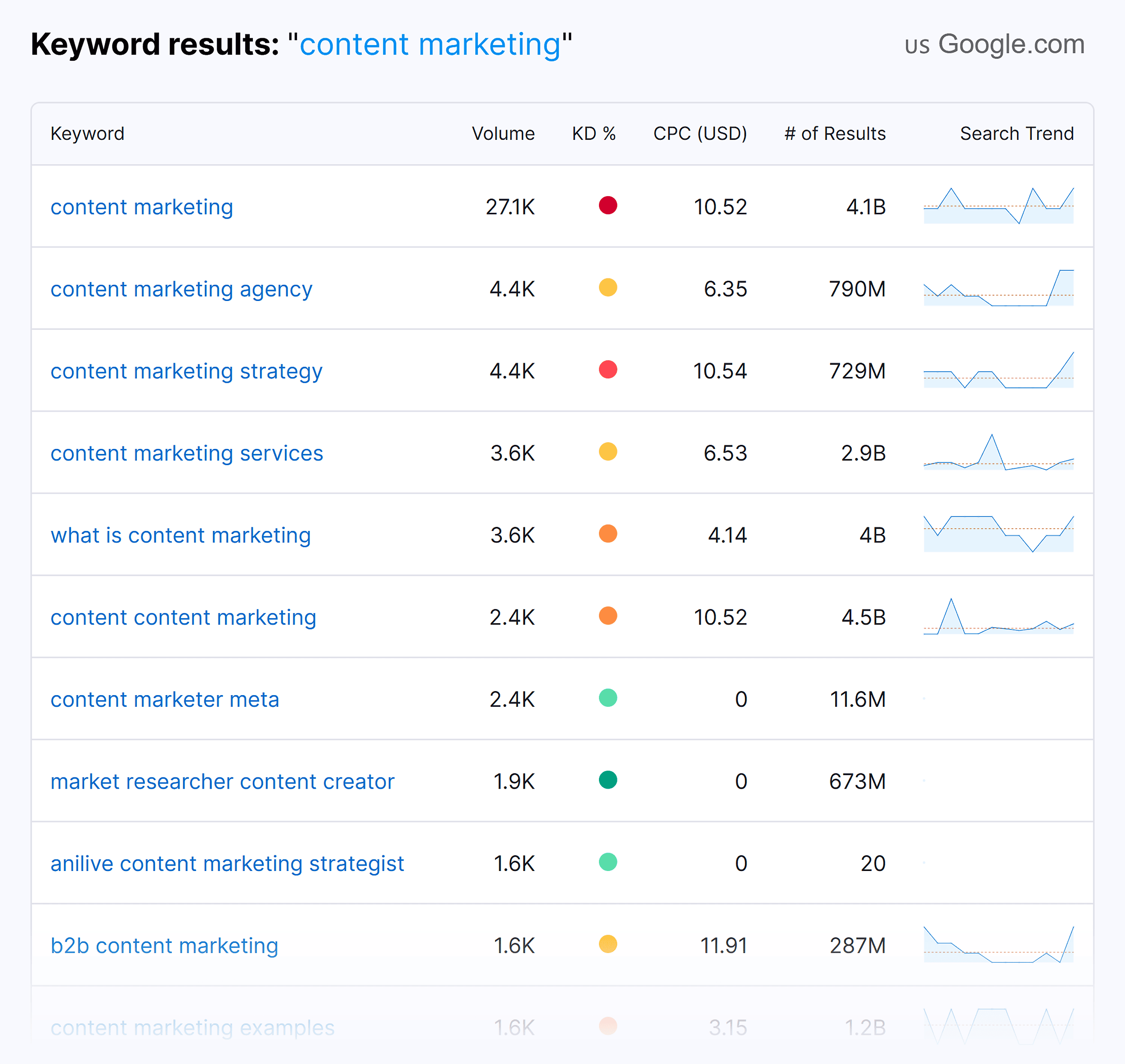
SEO success starts with targeting the right keywords.
Use tools like:
Google Keyword Planner
Ahrefs
Ubersuggest
SEMrush
Focus on:
Long-tail keywords (e.g., “best AI tools for web developers”).
Low competition + high intent search phrases.
Trending topics like AI, SaaS, web development, gadgets, or digital marketing tools.
When writing blog posts:
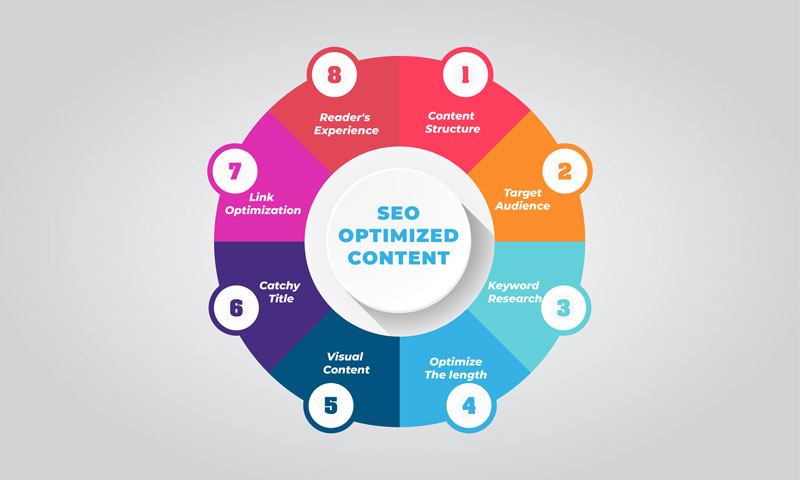
Use your target keyword in the title, meta description, first paragraph, and headings (H2/H3).
Write in-depth content (1,500+ words performs best).
Add internal links to older posts and outbound links to authority sites.
Use multimedia—images, infographics, and videos—to enhance engagement.
Optimize images with descriptive ALT text.
👉 Example Post Title: “Top 10 AI Tools to Boost Your Web Development Workflow in 2025”

A strong foundation helps search engines crawl your site effectively.
Set up a custom permalink structure (/blog-post-name/).
Submit your XML Sitemap to Google Search Console.
Use SSL (HTTPS) and Cloudflare CDN for security and speed.
Fix broken links with Broken Link Checker.
Optimize Core Web Vitals for better user experience.

SEO doesn’t end with publishing. Promote your content actively:
Share posts on Twitter (X), LinkedIn, and Facebook Groups.
Guest post on other tech websites.
Collaborate with influencers or AI/Tech YouTubers.
Join Quora, Reddit, or Medium to share valuable insights.
👉 Backlinks are one of Google’s top ranking factors—focus on quality over quantity.

Use analytics tools to measure your growth:
Google Analytics – track traffic and engagement.
Google Search Console – monitor impressions, CTR, and index issues.
Ahrefs or Semrush – check keyword positions and backlinks.
Regularly update your articles to stay relevant, especially in the fast-changing tech industry.